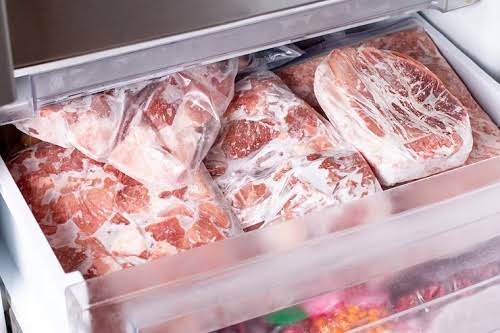
Brazil has developed one of the world’s most significant meat production and export industries, supplying international markets with a wide variety of meat products. For importers, wholesalers, distributors, foodservice companies and retailers, sourcing wholesale frozen veal from Brazil can provide access to professionally processed products backed by an established agricultural and export infrastructure.
However, purchasing frozen veal internationally involves considerably more than comparing prices.
Product specifications, cut selection, food safety, packaging, traceability, cold-chain management, export documentation and destination-country requirements can all influence a successful order.
For commercial buyers considering wholesale frozen veal, this guide explains the key factors to evaluate before selecting products and establishing a relationship with a Brazilian supplier.
Why Buyers Source Frozen Veal from Brazil
Brazil has an extensive livestock industry supported by farming operations, meat-processing facilities, veterinary controls, refrigerated storage and international logistics networks.
For commercial buyers, Brazil can therefore represent an important sourcing market for meat and agricultural products.
Businesses looking for wholesale frozen veal commonly include:
- Meat importers
- Wholesale distributors
- Foodservice distributors
- Hotels and hospitality groups
- Restaurants
- Catering companies
- Supermarket chains
- Meat processors
- International trading companies
The exact product required will depend on the buyer’s market, customer base and intended use.
A wholesaler supplying restaurants, for example, may require different cuts and packaging specifications from an industrial food manufacturer purchasing meat as an ingredient.
What Is Frozen Veal?
Veal refers to meat from young cattle and is generally recognised for its relatively tender texture and mild flavour.
Different markets may have specific regulatory definitions, classifications or labelling requirements concerning veal. International buyers should therefore confirm that the product specification offered by a supplier complies with the rules applicable in the destination market.
Freezing allows veal products to be preserved for international distribution when they are processed, packaged, stored and transported under appropriate temperature-controlled conditions.
For wholesale buyers, frozen products can also provide practical advantages for inventory management and long-distance transportation.
Popular Wholesale Frozen Veal Cuts
The exact selection available will depend on the producer and processing facility, but international buyers may encounter a variety of veal cuts and product specifications.
Common products can include:
- Veal tenderloin
- Veal loin
- Veal shoulder
- Veal leg
- Veal ribs
- Veal shank
- Veal brisket
- Veal neck
- Boneless veal
- Bone-in veal
- Veal offal
- Veal trimmings
- Frozen veal cuts
- Custom-cut veal products
Before confirming a wholesale frozen veal order, buyers should obtain a detailed specification rather than relying only on the general name of a cut.
Choosing the Right Veal Specification
Product specifications are particularly important in international wholesale transactions.
Two products described using similar commercial names may differ in trimming, weight range, bone content, fat level, packaging or processing requirements.
A professional purchase specification can include:
Cut Type
Clearly identify the cut or combination of cuts required.
Bone-In or Boneless
Specify whether the order requires bone-in or boneless products.
Weight Range
Individual piece or carton weight requirements may be important for retail, foodservice and further processing.
Trimming Requirements
Buyers should specify any required trimming standards.
Packaging
Confirm whether the product requires vacuum packaging, individual wrapping, bulk cartons or another approved format.
Labelling
Export products may require specific labels containing product identification, production information, country of origin, storage instructions and other regulatory details.
Establishing these requirements before production can reduce misunderstandings between buyer and supplier.
Food Safety When Buying Brazilian Veal
Food safety should be one of the highest priorities when evaluating a Brazilian veal supplier.
Commercial buyers should determine whether the processing establishment operates under appropriate inspection and food safety systems for the intended destination market.
Important areas can include:
- Hygiene controls
- Veterinary inspection
- Hazard control programmes
- Microbiological monitoring
- Temperature control
- Sanitation procedures
- Product identification
- Traceability
- Approved processing procedures
- Documentation and record keeping
Buyers should also confirm whether the establishment is eligible to export the requested product to their particular country.
A facility being able to export to one country does not automatically mean that the same facility or product is approved for every destination.
Why Traceability Matters
Traceability is an important part of modern international food supply chains.
A properly managed traceability system helps connect products with relevant production, processing and batch information.
For businesses purchasing wholesale frozen veal, effective traceability can support:
- Quality management
- Batch identification
- Product investigations
- Regulatory compliance
- Supply-chain transparency
- Recall procedures when necessary
Importers should discuss traceability documentation with potential suppliers before establishing recurring orders.
Frozen Veal Packaging for International Trade
Packaging performs several important functions during international transportation.
It protects the meat from physical damage and contamination while helping maintain product integrity throughout storage and distribution.
Depending on the product, packaging options may include:
- Vacuum-packed products
- Individually packed cuts
- Food-grade inner packaging
- Bulk export cartons
- Standardised carton weights
- Customer-specific packaging
- Private-label packaging where available
The outer carton should also be suitable for frozen storage and transportation.
Importers should confirm packaging specifications before placing large orders because repacking products after arrival can increase handling costs.
Maintaining the Frozen Cold Chain
A reliable cold chain is essential when transporting frozen meat over long distances.
The cold chain covers the temperature-controlled journey from processing and frozen storage through inland transportation, port handling, international shipping and destination distribution.
Poor temperature management can affect product quality and potentially create food safety concerns.
For this reason, buyers sourcing wholesale frozen veal should evaluate:
- Frozen storage conditions
- Container preparation
- Refrigerated transportation
- Temperature requirements
- Port handling procedures
- Shipping arrangements
- Destination storage capabilities
The required temperature should be based on the product specification and applicable regulations rather than assumed.
Documentation for Frozen Veal Exports
International meat shipments normally require commercial and regulatory documentation.
The exact documents depend on the exporting country, destination country, product and applicable trade requirements.
Documentation may include:
- Commercial invoice
- Packing list
- Bill of lading
- Veterinary or sanitary certificate
- Certificate of origin where required
- Product specifications
- Export documentation
- Customs documentation
- Inspection certificates where applicable
Importers should confirm documentation requirements with the relevant authorities or their customs representative before shipment.
Incomplete or incorrect paperwork can lead to delays, additional costs or rejection at the destination.
How to Evaluate a Wholesale Veal Supplier
Selecting a supplier should involve more than finding the lowest quotation.
Before purchasing bulk frozen veal, commercial buyers should evaluate several areas.
Product Consistency
Can the supplier repeatedly provide the same specifications?
Consistency is particularly important for distributors, restaurant suppliers and retailers.
Production Capacity
The supplier should have sufficient capacity to support the buyer’s expected order volumes and purchasing schedule.
Export Experience
Experience with international meat shipments can be valuable when dealing with documentation, logistics and destination requirements.
Quality Controls
Ask about processing standards, inspection, traceability and quality management procedures.
Communication
Clear communication becomes particularly important when coordinating specifications, documents, payments and international shipping.
Documentation
Verify relevant certificates and establishment details instead of relying solely on website claims.
Wholesale Frozen Veal Pricing
There is no single universal price for frozen veal.
Commercial quotations can vary depending on factors such as:
- Cut
- Specification
- Order volume
- Packaging
- Market conditions
- Production costs
- Freight costs
- Destination
- Incoterms
- Currency movements
- Supply availability
This is why professional buyers generally request quotations based on a clearly defined product specification.
A low initial product price does not necessarily represent the lowest landed cost.
Import duties, freight, insurance, port charges, customs clearance, inland transportation and storage should also be considered.
Understanding Minimum Order Quantities
Wholesale export orders may be subject to minimum quantities depending on the supplier, product and shipping arrangement.
For large international shipments, buyers may source products by pallet, container or another commercially agreed quantity.
Before requesting a quotation, it is useful to provide:
- Required product
- Cut specification
- Approximate quantity
- Packaging requirements
- Destination country
- Destination port
- Expected purchasing frequency
Providing this information allows the supplier to prepare a more relevant commercial proposal.
Brazilian Veal for Foodservice and Distribution
Different buyers have different requirements.
Foodservice distributors may prioritise portion consistency, convenient packaging and reliable recurring supply.
Retail businesses may place greater emphasis on presentation, labelling and consumer-ready packaging.
Food manufacturers may focus on technical specifications, volumes and processing characteristics.
Wholesale distributors may require a broader range of products that can be supplied to several customer segments.
For this reason, buyers should select Brazilian veal based on their intended sales channel rather than simply choosing the cheapest available cut.
Questions to Ask Before Placing an Order
Before purchasing wholesale frozen veal, consider asking the supplier:
- What veal cuts are currently available?
- What are the exact product specifications?
- What is the minimum order quantity?
- Which packaging formats are available?
- What is the country of origin?
- Which establishment processes the product?
- Is the establishment eligible for my destination market?
- What traceability information is available?
- Which export documents are supplied?
- What shipping terms are available?
- What is the expected production and dispatch schedule?
- How are quality claims handled?
Getting clear answers before payment and shipment can reduce commercial risk.
Working With Copacol Cooperativa Agroindustrial
Copacol Cooperativa Agroindustrial serves domestic and international markets with Brazilian agricultural and food products supported by an integrated production structure.
Commercial buyers can explore our Veal range for more information about available Brazilian veal products and visit our Shop to view other product categories.
Businesses sourcing multiple products can also explore:
- Beef Meat
- Chicken Meat
- Pork Meat
- Lamb Meat
- Turkey
- Livestock
Buyers who require specific quantities, packaging or export information can contact our team directly to discuss their requirements and request additional product information.
Quality Is Essential in International Meat Trade
For importers, product quality involves more than appearance.
Reliable international sourcing requires attention to the entire supply chain—from production and processing through packaging, documentation, frozen storage and transportation.
Buyers can visit our Quality page to learn more about the quality controls and production practices associated with Copacol.
For broader international food and agricultural information, buyers and industry professionals can also consult the Food and Agriculture Organization of the United Nations.
Request a Wholesale Frozen Veal Quote
Businesses interested in sourcing wholesale frozen veal should prepare their requirements before requesting pricing.
Include:
- Product or cut required
- Estimated quantity
- Destination country
- Destination port
- Packaging requirements
- Preferred shipping terms
- Expected purchasing frequency
Clear information allows the sales team to better understand your requirements and determine suitable supply options.
Visit our Contact Us page to submit your wholesale enquiry.
Internal Links:
Copacol Cooperativa Agroindustrial
Related Wholesale Meat Guides:
Wholesale Frozen Veal from Brazil
frozen pork meat exporter in Brazil
Brazilian frozen chicken manufacturers
Final Thoughts
Sourcing wholesale frozen veal from Brazil can provide international buyers with access to an established meat-producing market and a wide selection of products for wholesale, retail, foodservice and further processing.
Successful purchasing, however, depends on much more than product price.
Importers should carefully assess product specifications, supplier capabilities, food safety controls, traceability, packaging, documentation and cold-chain logistics before confirming an order.
For buyers seeking Brazilian veal, establishing clear specifications from the beginning can make purchasing more efficient and help create a dependable long-term supply relationship.
Copacol Cooperativa Agroindustrial offers Brazilian meat products for international markets and works with commercial customers seeking reliable wholesale supply.
Explore our Veal products or contact our team to discuss your requirements and request a quotation.
Frequently Asked Questions
1. Where can businesses buy wholesale frozen veal from Brazil?
Commercial buyers can source frozen veal through qualified Brazilian producers, processors and exporters. Before ordering, buyers should verify product specifications, export eligibility, quality documentation and destination-country requirements.
2. What frozen veal cuts are available for wholesale buyers?
Depending on supplier availability, products may include veal loin, tenderloin, shoulder, leg, ribs, shank, brisket, boneless cuts, offal and other customised specifications.
3. How is frozen veal transported internationally?
Frozen veal is generally transported through a temperature-controlled cold chain using appropriate refrigerated storage and shipping equipment. Specific temperature requirements depend on the product and applicable regulations.
4. What should I check before choosing a Brazilian veal supplier?
Check the supplier’s product specifications, processing establishment, quality controls, traceability, export experience, documentation, packaging options and eligibility to supply your destination market.
5. Can I request a bulk frozen veal quotation?
Yes. Commercial buyers should provide the required veal cut, approximate quantity, packaging requirements, destination country and destination port when requesting a quotation.
