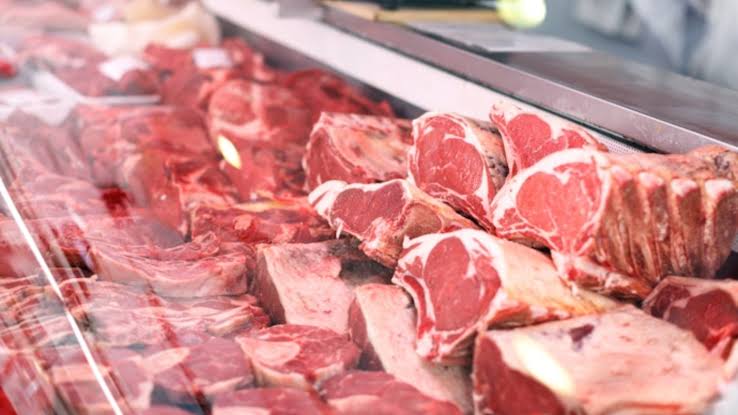
The Brazil frozen beef market is an important sourcing option for international importers, wholesalers, distributors, retailers, food manufacturers and foodservice businesses looking for dependable frozen meat supply.
Brazil has one of the world’s most developed cattle and beef industries, supported by large-scale livestock production, modern meat-processing facilities, refrigerated storage and international logistics infrastructure. For commercial buyers, this creates access to a broad selection of frozen beef products for retail, foodservice and further processing.
However, successful sourcing requires much more than finding a supplier and requesting a price.
Importers should consider beef cuts, specifications, processing standards, food safety, traceability, packaging, cold-chain management, export documentation and destination-country requirements before confirming a purchase.
This guide explains the main factors buyers should evaluate when exploring the Brazil frozen beef market.
Why International Buyers Source Frozen Beef from Brazil
Brazil has extensive experience in cattle production and meat processing, making it a major source of beef products for global markets.
Commercial buyers may source Brazilian frozen beef for:
- Wholesale distribution
- Supermarket supply
- Foodservice
- Hotels and restaurants
- Catering companies
- Food manufacturing
- Meat processing
- Institutional supply
- International trading
Each buyer type may require different cuts, packaging and product specifications.
For example, a food manufacturer may prioritise consistent boneless beef for processing, while a restaurant distributor may require premium cuts with specific trimming and weight ranges.
This is why buyers should define exact product requirements before approaching suppliers in the Brazil frozen beef market.
Popular Brazilian Frozen Beef Products
A wide variety of frozen beef products may be available depending on supplier capability and destination requirements.
Common wholesale products can include:
- Beef tenderloin
- Beef striploin
- Beef ribeye
- Beef chuck
- Beef brisket
- Beef shoulder
- Beef round
- Beef rump
- Beef shank
- Beef trimmings
- Boneless beef
- Bone-in beef
- Beef offal
- Frozen beef cuts
- Vacuum-packed beef
- Custom-cut beef products
International buyers should request precise specifications before placing an order.
A broad description such as “frozen beef” is usually not enough for accurate wholesale pricing.
Choosing the Right Frozen Beef Cuts
Different beef cuts serve different commercial purposes.
Beef Tenderloin
Tenderloin is generally associated with premium hospitality and restaurant markets.
Buyers may require specific weight ranges, trimming standards or packaging formats.
Striploin
Striploin is widely used by restaurants, hotels and retailers and may be supplied in whole or portioned form depending on processing capabilities.
Ribeye
Ribeye is another premium cut often required by foodservice and retail customers.
Brisket
Brisket is popular in many international markets and can be supplied for foodservice, retail or further processing.
Chuck and Shoulder
These cuts can provide versatility for wholesale buyers, processors and commercial kitchens.
Beef Trimmings
Food manufacturers may require beef trimmings for processed meat products, prepared foods or further production.
Matching the cut to the buyer’s intended market helps improve purchasing efficiency.
Product Specifications for Wholesale Frozen Beef
Detailed product specifications are essential in international meat trade.
Commercial buyers should consider:
- Exact beef cut
- Bone-in or boneless
- Weight range
- Fat level
- Trimming requirements
- Product grade
- Freezing method
- Packaging type
- Carton weight
- Labelling
- Order quantity
- Destination country
Small differences in trimming or fat content can significantly affect both product suitability and price.
Clear specifications also make it easier to compare offers from different suppliers.
Food Safety in the Brazil Frozen Beef Market
Food safety should be a top priority when evaluating a frozen beef supplier.
Importers should verify the processing establishment, inspection systems and export eligibility before confirming a shipment.
Important quality controls can include:
- Veterinary inspection
- Hygiene management
- Sanitation procedures
- Hazard control systems
- Microbiological testing
- Temperature monitoring
- Product identification
- Batch traceability
- Cold storage controls
- Staff training
Buyers should request appropriate documentation and confirm whether the specific establishment and product are authorised for the destination market.
Approval can vary by country and product category.
Why Traceability Matters
Traceability helps connect a finished product with relevant production and processing information.
For buyers sourcing through the Brazil frozen beef market, traceability can support:
- Batch identification
- Quality management
- Regulatory compliance
- Supply-chain transparency
- Product investigations
- Inventory control
- Recall procedures where required
Long-term commercial buyers should understand the supplier’s traceability procedures before establishing recurring orders.
Frozen Beef Packaging Options
Packaging is important for protecting beef throughout storage, shipping and distribution.
Available formats may include:
- Vacuum packaging
- Individually packed products
- Food-grade inner liners
- Bulk export cartons
- Standard-weight cartons
- Customer-specific packaging
- Private-label packaging where available
Importers should confirm:
- Net weight
- Gross weight
- Carton size
- Packaging material
- Labelling details
- Palletisation where applicable
Good packaging can improve product handling, storage efficiency and downstream distribution.
Vacuum-Packed Frozen Beef
Vacuum packaging is commonly used for meat products because it can help protect the product and support storage integrity.
Commercial buyers may request vacuum-packed beef for:
- Retail distribution
- Foodservice
- Hospitality
- Wholesale resale
- Further processing
Exact packaging requirements should be agreed before production.
Maintaining the Frozen Beef Cold Chain
Frozen meat must remain under appropriate temperature-controlled conditions throughout the supply chain.
A typical export route may involve:
Processing → Freezing → Cold Storage → Refrigerated Transport → Export Port → Reefer Container → Destination Port → Cold Storage → Distribution
Buyers should discuss:
- Storage temperatures
- Container preparation
- Loading procedures
- Refrigerated transport
- Transit time
- Port handling
- Destination storage
Cold-chain reliability is a major factor when selecting a supplier in the Brazil frozen beef market.
Export Documentation for Brazilian Frozen Beef
International beef shipments normally require commercial and regulatory documentation.
Depending on the destination, documents may include:
- Commercial invoice
- Packing list
- Bill of lading
- Veterinary or sanitary certificate
- Certificate of origin where applicable
- Product specification
- Export declaration
- Inspection documentation
- Customs paperwork
Importers should verify destination-country requirements before production begins.
Documentation errors can create delays, additional costs or even shipment rejection.
How to Choose a Brazilian Frozen Beef Supplier
Supplier evaluation should cover several areas.
Verify the Company
Confirm business identity, facility details and commercial information.
Confirm the Processing Establishment
Understand where the beef is actually processed.
Check Export Eligibility
Make sure the relevant establishment and product are approved for the destination country.
Review Product Specifications
The supplier should clearly identify the cut, condition, packaging and other requirements.
Evaluate Quality Controls
Ask about food safety procedures, traceability, inspections and storage.
Assess Production Capacity
Recurring wholesale buyers need suppliers capable of maintaining consistent volume.
Review Export Experience
Experience with documentation, reefer shipping and customs can be valuable.
Evaluate Communication
Accurate and timely communication is essential throughout an international transaction.
Wholesale Frozen Beef Pricing
Prices in the Brazil frozen beef market can vary according to many factors.
These may include:
- Beef cut
- Product grade
- Bone-in or boneless
- Fat and trimming specifications
- Order volume
- Packaging
- Availability
- Market demand
- Freight
- Destination
- Incoterms
- Currency movements
This is why professional buyers should request quotations based on exact specifications.
Calculate the Total Landed Cost
The supplier’s price per kilogram is only one part of the total cost.
Importers may also need to account for:
- Ocean freight
- Cargo insurance
- Import duties
- Taxes
- Customs clearance
- Port charges
- Inspection fees
- Cold storage
- Inland transport
Comparing landed cost provides a more realistic basis for purchasing decisions.
A lower product price can sometimes become more expensive once logistics and handling are included.
Minimum Order Quantities
Wholesale beef export orders may be subject to minimum quantities.
Depending on supplier and shipping arrangements, orders may be structured by:
- Carton
- Pallet
- Mixed shipment
- Reefer container
- Recurring supply agreement
Buyers should provide complete requirements when requesting pricing.
Useful information includes:
- Beef cut
- Specification
- Required quantity
- Packaging
- Destination country
- Destination port
- Preferred Incoterm
- Expected purchasing frequency
This helps the supplier prepare a more accurate commercial proposal.
Brazilian Frozen Beef for Retail
Retail buyers may prioritise:
- Consistent sizing
- Attractive packaging
- Clear labelling
- Convenient portions
- Product presentation
- Reliable recurring supply
Retail specifications should be defined before production.
Brazilian Frozen Beef for Foodservice
Hotels, restaurants and catering companies often require products suited to commercial kitchen operations, Brazil frozen beef market.
Common priorities may include:
- Premium cuts
- Consistent trimming
- Portion control
- Practical pack sizes
- Reliable supply
Foodservice distributors should select products based on the needs of their customers.
Brazilian Frozen Beef for Food Manufacturers
Industrial customers may require beef for:
- Ready meals
- Processed foods
- Prepared products
- Further processing
- Catering production
These buyers often require highly detailed technical specifications and larger recurring volumes.
Consistency becomes especially important in manufacturing environments.
Brazilian Beef Companies and Supplier Selection
When comparing Brazilian beef companies, buyers should focus on more than brand recognition.
A strong commercial supplier should be able to provide:
- Clear product specifications
- Processing-establishment information
- Quality documentation
- Traceability
- Packaging details
- Export support
- Reliable communication
- Consistent supply
International buyers should verify important claims before making large commercial commitments.
Buying Multiple Brazilian Meat Products
Many wholesalers source several protein categories from Brazil.
Businesses interested in frozen beef can explore our dedicated Brazilian beef meat page for more information about available products and wholesale supply.
Buyers can also explore:
- Brazilian Chicken Meat
- Brazilian Pork Meat
- Brazilian Lamb Meat
- Brazilian Veal Meat
- Brazilian Turkey Meat
- Livestock
Our Shop provides access to the broader product range for businesses seeking multiple meat and agricultural categories.
Quality Assurance for Frozen Beef Buyers
Quality control should be maintained from production through final export preparation.
Buyers can learn more about our food safety procedures, inspections, laboratory controls and production standards on our Quality Assurance page, Brazil frozen beef market.
For broader information about livestock, agriculture and international food systems, buyers can also consult the Food and Agriculture Organization of the United Nations.
Questions to Ask a Brazilian Beef Supplier
Before confirming an order, consider asking:
- Which beef cuts are available?
- What are the exact specifications?
- Is the product bone-in or boneless?
- Where is the beef processed?
- Is the establishment eligible for my market?
- What packaging options are available?
- What is the minimum order quantity?
- What traceability information is supplied?
- Which export documents are included?
- What Incoterms are available?
- What is the expected production schedule?
- How is the frozen cold chain maintained?
Clear answers can make supplier comparison easier.
Request a Wholesale Frozen Beef Quote
Businesses interested in the Brazil frozen beef market should provide detailed requirements when requesting a quotation.
Include:
- Beef cut
- Product specification
- Required quantity
- Packaging
- Destination country
- Destination port
- Preferred shipping terms
- Expected purchasing frequency
Our team can then review the request and provide information about suitable supply options.
Visit our Contact Us page to submit your wholesale enquiry.
Internal Links:
Copacol Cooperativa Agroindustrial
Related Wholesale Meat Guides:
Wholesale Frozen Veal from Brazil
frozen pork meat exporter in Brazil
Brazilian frozen chicken manufacturers
Final Thoughts
The Brazil frozen beef market offers international buyers access to a broad range of frozen beef products suitable for wholesale distribution, retail, foodservice and further processing.
However, successful sourcing depends on much more than finding an attractive price.
Importers should carefully evaluate product specifications, processing establishments, export eligibility, food safety, traceability, packaging, documentation and cold-chain logistics before confirming a shipment.
Buyers should also calculate total landed cost rather than comparing supplier prices alone.
For businesses sourcing Brazilian frozen beef, clear requirements can make the purchasing process more efficient. Providing the exact cut, specification, quantity, packaging and destination helps suppliers prepare more relevant commercial offers.
Explore our Brazilian beef meat range and wider selection of Brazilian meat products, or contact Copacol Cooperativa Agroindustrial to discuss your wholesale requirements.
Frequently Asked Questions
1. What should buyers know about the Brazil frozen beef market?
Buyers should evaluate available cuts, product specifications, processing standards, export eligibility, food safety, traceability, packaging, documentation, cold-chain logistics and landed cost.
2. What frozen beef cuts are commonly available from Brazil?
Depending on supplier availability, buyers may find tenderloin, striploin, ribeye, brisket, chuck, shoulder, round, rump, shank, trimmings, offal and other frozen beef products.
3. How is Brazilian frozen beef transported internationally?
Frozen beef is typically transported using a temperature-controlled cold chain with refrigerated storage, inland transportation and reefer containers suitable for frozen meat.
4. What affects wholesale frozen beef prices?
Pricing can vary based on cut, grade, specification, quantity, packaging, availability, freight, destination, Incoterms and market conditions.
5. What information should I provide when requesting a beef quotation?
Provide the exact cut, specification, required quantity, packaging requirements, destination country, destination port, preferred shipping terms and expected purchasing frequency.
